Boise, ID Backyard Pickleball Court Construction
Boise Pickleball Courts provides pickleball court construction in Boise, ID.
Custom residential pickleball courts, multi-sport conversions, and resurfacing across Boise, ID and the Treasure Valley. Free on-site estimates, permits handled, and a written quote before any work begins.
Typical Pricing
| Single outdoor court (base, acrylic surface, net, fencing, lights)Published estimate for one court built from scratch; site work and slope move it most. | $25,000 – $45,000 |
| Repainting lines and surface on an existing slabOnly where the existing slab is sound and the right size. | Under $5,000 |
| Backyard basketball half court (47 x 50 ft)HomeAdvisor, June 2026; a full 94 x 50 ft court runs $18,800 – $75,200. | $8,600 – $40,000 |
| Home tennis court, asphalt or post-tensioned concreteHomeAdvisor, June 2026; fencing ($5,000 – $15,000) and lights ($2,000 – $6,000) extra. | $40,000 – $80,000 |
Indicative ranges, not a quote. The final price comes in writing from the builder after seeing your site, and depends on its size, materials and access.
Sources: My Pickleball Connect, backyard pickleball court cost · HomeAdvisor, backyard basketball court cost (updated June 19, 2026) · HomeAdvisor, tennis court cost (updated June 19, 2026)
Ballpark Cost Calculator
Pick a project type and enter your square footage for a rough estimate — this is a starting point, not a quote.
Based on the same price ranges shown above. Final pricing is confirmed in writing after a free on-site estimate.
Common Reasons Treasure Valley Homeowners Call Us
Dedicated Backyard Court
A full-size or space-adjusted court built specifically for pickleball, not a repurposed driveway.
Multi-Sport Conversion
Adding pickleball lines to an existing basketball or tennis court, or building one surface that serves both.
Idaho Climate Durability
Treasure Valley's hot, dry summers and freeze-thaw winters both stress a court surface — we spec coatings and base prep for both extremes.
Home Value & Entertaining
A built-in court has become one of the more talked-about backyard features in newer Treasure Valley subdivisions.
Our Services in Boise, ID
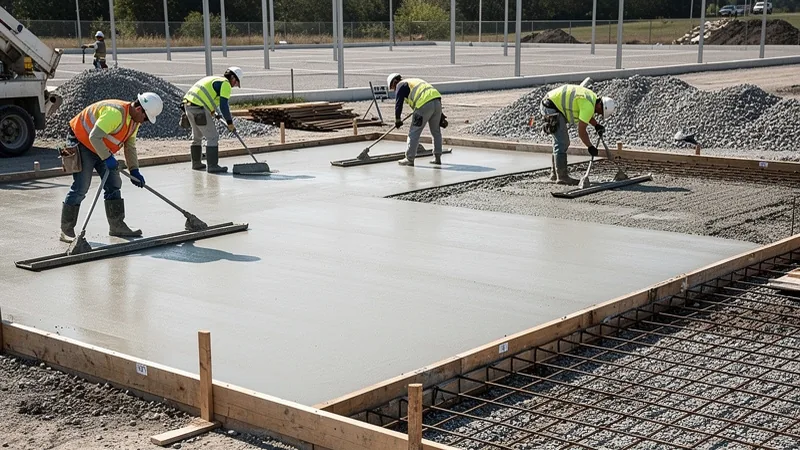
Residential Pickleball Court Construction in Boise
A standard outdoor court runs $25,000 to $50,000 for a complete 30-by-60-foot build with a concrete pad, acrylic surface, and net system; a full custom build with premium coating, lighting, and fencing runs $50,000 to $75,000 or more. We assess your actual yard dimensions during the estimate, since a lot of Boise-area lots need a slightly adjusted layout to fit a regulation or near-regulation court.
Residential Pickleball Court Construction Details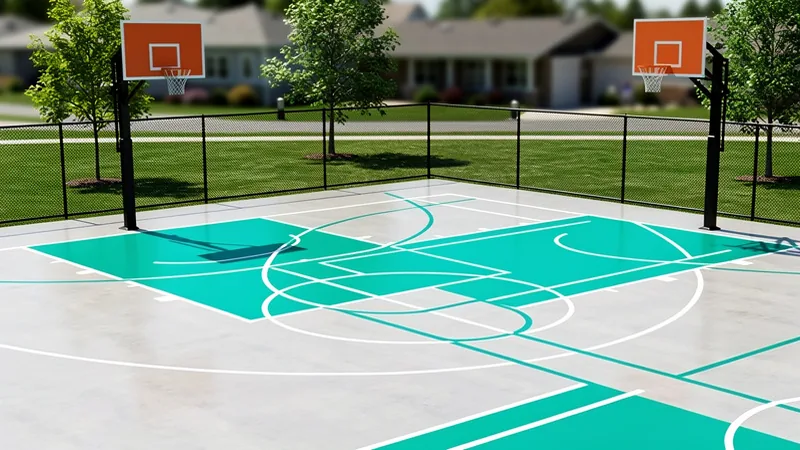
Multi-Sport Court Conversion in Boise
Line-striping an existing basketball or tennis court for pickleball runs $1,500 to $4,000 and is one of the most cost-effective ways to add the game to a property that already has a hard court surface, as long as the existing surface is in sound condition.
Multi-Sport Court Conversion Details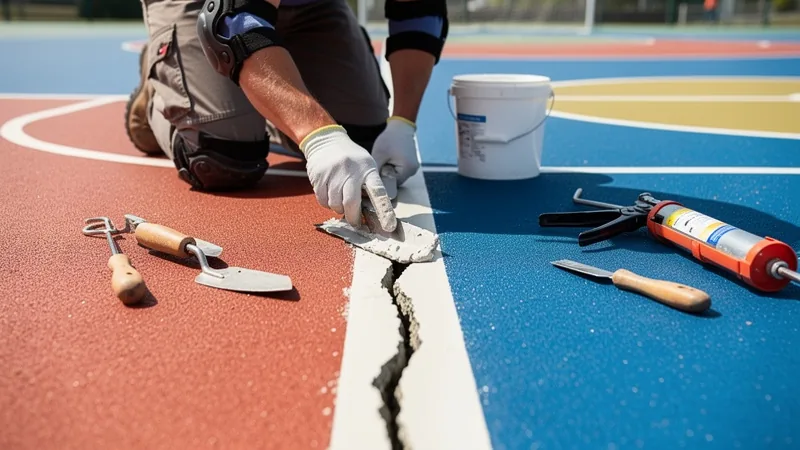
Court Resurfacing & Repair in Boise
Resurfacing runs $3 to $6 per square foot over an existing sound pad, but we check for base and drainage issues first — Idaho's freeze-thaw winters are the most common cause of the cracking and heaving we get called out to fix, and a new coat of acrylic over a failing base just delays the real repair.
Court Resurfacing & Repair Details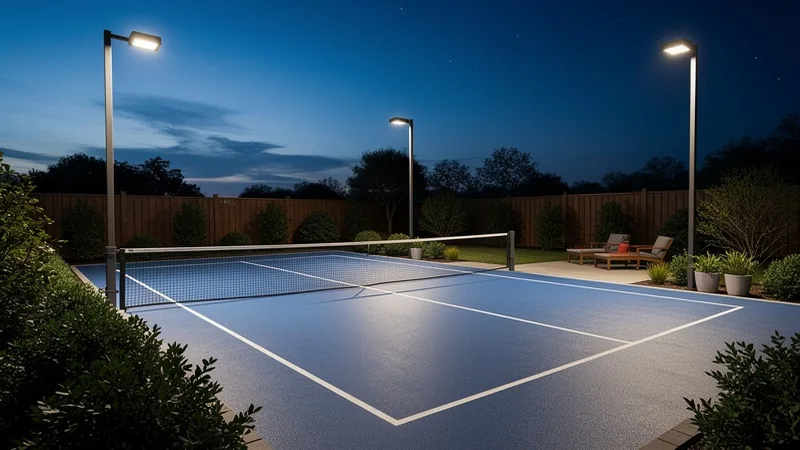
Court Lighting Installation in Boise
A lighting package runs $3,000 to $10,000 depending on pole count and fixture quality, and proper placement matters as much as fixture wattage — poorly placed poles create glare for players or shadow zones near the net that are worse than no lighting at all.
Court Lighting Installation Details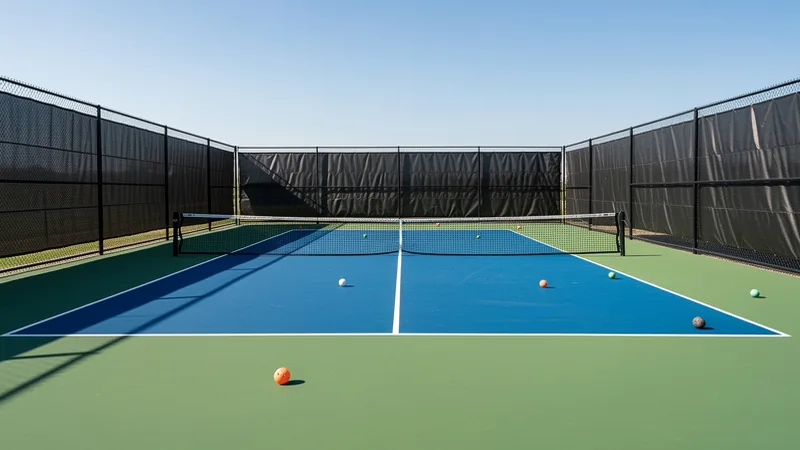
Fencing & Windscreens in Boise
Fencing height and windscreen coverage affect both ball containment and how much the court reduces wind — a real factor on open Treasure Valley lots without much windbreak. We spec fence height and windscreen percentage based on your specific site exposure.
Fencing & Windscreens Details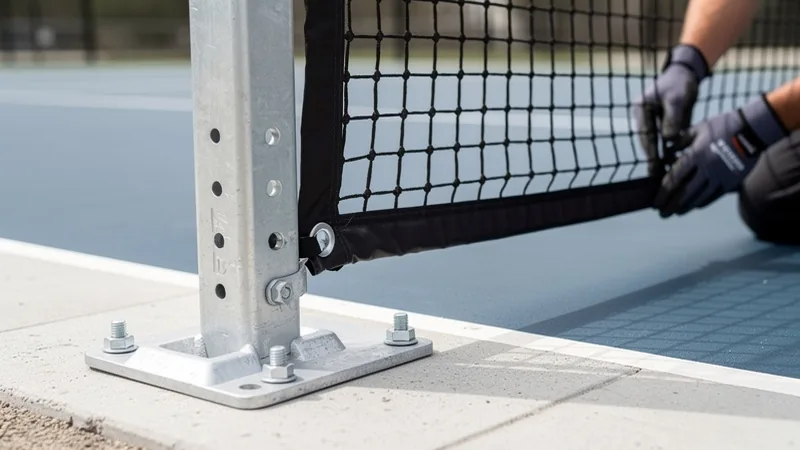
Net System Installation in Boise
A permanent, ground-anchored net system is the standard for a dedicated court and holds regulation tension and height more reliably than a portable net that gets moved or adjusted often.
Net System Installation Details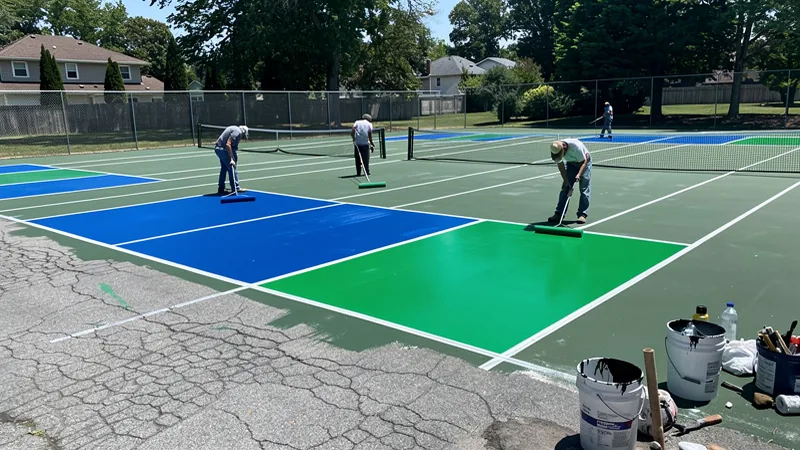
Tennis Court to Pickleball Conversion in Boise
A single tennis court has enough surface area for up to four dedicated pickleball courts, which is why a lot of our conversion work comes from properties and HOAs with an existing tennis court that sees little use. We handle the resurfacing, new line striping, and net relocation as one project.
Tennis Court to Pickleball Conversion Details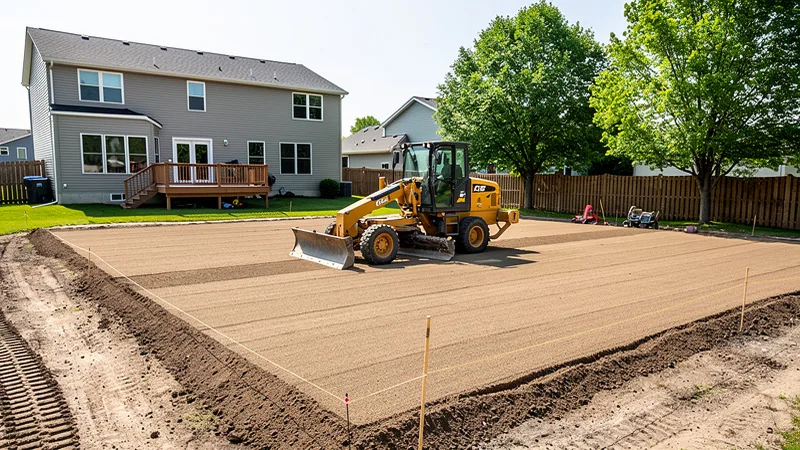
Backyard Court Site Prep & Grading in Boise
Site prep is the step that determines whether a court lasts decades or develops drainage and cracking problems within a few years — proper grading for water runoff and a compacted base suited to Idaho's clay-heavy soils in parts of the Treasure Valley matters more than the surface coating itself.
Backyard Court Site Prep & Grading Details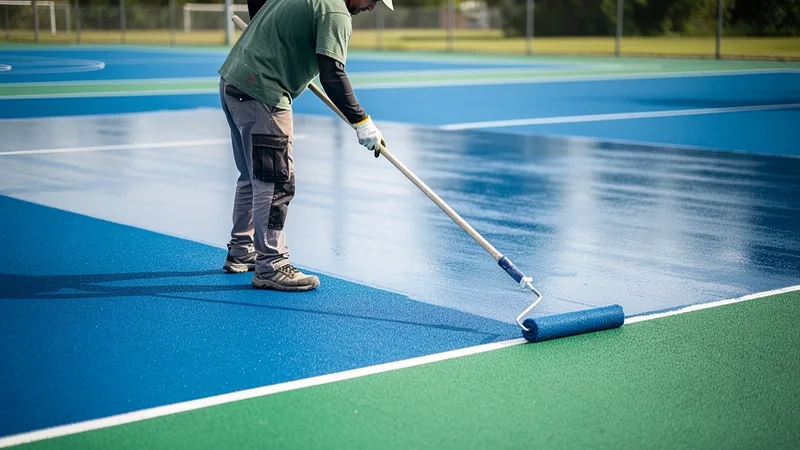
Color Coating & Line Striping in Boise
Acrylic color coating is what actually gives a court its playing characteristics — texture affects ball bounce and player traction, and color choice affects both heat absorption and visibility of the lines. We apply multiple coats for durability rather than a single thin layer.
Color Coating & Line Striping Details
Backyard Basketball Court Construction in Boise
HomeAdvisor's June 2026 guide puts a 47-by-50-foot half court at $8,600 to $40,000 and a 94-by-50-foot full court at $18,800 to $75,200; poured concrete is the usual base, at about $8,800 to $22,900 for a half court. Most Boise-area yards fit a half court or a smaller practice pad better than a full court, and the same slab can carry pickleball lines in a second color. Grading, drainage, the hoop and lighting are priced on top, so ask for each as a separate line in the quote.
Backyard Basketball Court Construction Details
Home Tennis Court Construction in Boise
A home tennis court is a much bigger project than a pickleball court: HomeAdvisor's June 2026 figures put a full-size asphalt court at $40,000 to $80,000 and post-tensioned concrete at $45,000 to $80,000, plus $5,000 to $15,000 for fencing and $2,000 to $6,000 for lights. Asphalt costs less up front but needs resurfacing more often; post-tensioned concrete lasts longer with less maintenance. Many Treasure Valley owners add pickleball lines to the same court so it gets used more.
Home Tennis Court Construction Details
Sand Volleyball Court Construction in Boise
A regulation sand volleyball court plays on 8 by 16 meters, about 26 by 52 feet, with open space around it, so plan for a larger area if the yard allows. The work is mostly underground: the area is excavated, a drainage layer and fabric go in so the court dries after rain, and then 12 to 18 inches of washed sand made for volleyball, which doesn't compact or stick like play sand. Posts are set in concrete sleeves so the net can come down in winter. Price depends on the size and the amount of sand, so it is quoted per project.
Sand Volleyball Court Construction DetailsFrequently Asked Questions
Do I need a permit to build a pickleball court in Boise?
In most cases yes — the City of Boise requires a permit for accessory structures over 120 square feet, which a full court's pad and fencing typically exceeds. We handle the permit application as part of every new-build job.
How much does a backyard pickleball court cost in Boise?
There is no official Boise price list; a published estimate puts one outdoor court built from scratch, with base, acrylic surface, net, fencing and lights, at about $25,000 to $45,000; repainting an existing sound slab can come in under $5,000. The builder gives a written price after seeing the site.
Can I add pickleball lines to my existing basketball or tennis court?
Yes, in most cases — line striping an existing sound court surface runs $1,500 to $4,000, one of the most cost-effective ways to add the game to a property that already has a hard court.
What areas do you serve around Boise?
Boise, Meridian, Eagle, Kuna, Star, and the rest of Ada County and the Treasure Valley, ID.
Is there a noise concern with pickleball courts near neighbors?
Yes — pickleball has a distinctive sound that some cities have started regulating with placement setbacks specifically for the sport, separate from standard property-line setbacks. We check your specific city's requirements during the estimate.
How do you handle Idaho's climate for the court surface?
Boise's hot, dry summers can soften and stretch acrylic coating over time, while winter freeze-thaw cycles stress the base and any existing cracks. We spec the base prep and coating type for this specific climate swing rather than a one-size-fits-all build.
How much space do I need for a backyard pickleball court?
The court itself is 20 by 44 feet for both singles and doubles, but you need room around it to play: USA Pickleball recommends a total playing area of about 30 by 60 feet, and 34 by 64 feet is the preferred size for full-speed play. On a tight Boise lot a 30 by 60 foot pad is the realistic minimum for a real game; anything smaller works as a practice court. Fencing, lighting poles and drainage all need to fit around that footprint too.
Can I build a smaller pickleball court in my backyard?
Yes. Plenty of homeowners build a half court or a shortened court for drills, dinking and kids, and it can fit where a full 30 by 60 foot pad won't. The trade-off is that a regulation game needs the full 20 by 44 foot court; a shorter one changes how the game plays, especially at the baseline. If space is the limit, a multi-sport pad that combines a practice pickleball court with a basketball key is often the best use of the yard.
How long does a pickleball court last, and how often does it need resurfacing?
The base is the long-term part: a well-built post-tensioned concrete slab can last decades, and asphalt typically 15 to 20 years before it needs major work, Idaho's freeze-thaw cycles being the main thing that cracks it. The acrylic color coating on top is the part you renew: usually every 4 to 8 years depending on sun, use and how well the court drains. Cracks should be filled as soon as they appear, before winter water gets into them.
Can you put sport court tiles on grass or gravel?
Not for a court you want to play pickleball on. Modular sport tiles need a hard, flat base, usually concrete or asphalt, to give a true bounce and stay level; on grass or gravel they shift, sink and the ball bounces unpredictably. A compacted, properly graded base is most of the work and most of what makes a court last.
Does a backyard sport court add value to a home?
It depends on the buyer. In neighborhoods where pickleball is popular, like much of Boise, Meridian and Eagle, a well-kept court can help a house stand out and sell to the right buyer; for buyers who'd rather have lawn it adds little. Treat it as something you build for your own use, and keep it in good shape so it reads as a feature rather than a slab someone has to remove.
Can one court be used for both pickleball and tennis or basketball?
Yes. Many backyard courts are multi-sport: pickleball lines are painted in a different color over a tennis or basketball layout, so players can tell them apart. The main difference is the net: under USA Pickleball rules the net is 36 inches high at the posts and 34 inches at the center, a little lower than a tennis net, so shared courts usually use a portable or height-adjustable pickleball net. Plan the layout before the surface is coated, because moving lines later means resurfacing.
Is asphalt or concrete better for a pickleball court?
Both work under an acrylic sport surface. Asphalt costs less up front but tends to crack sooner and typically needs major work after 15 to 20 years. Post-tensioned concrete costs more, cracks far less and can last decades, which is why many builders prefer it for a court meant to stay. Either way, the new base has to cure for several weeks before the court surface can be applied.
What is the cheapest way to build a backyard pickleball court?
Start from what you already have. If there's a sound concrete slab of the right size, such as an old basketball or tennis area, repainting lines and surface can come in under $5,000, according to My Pickleball Connect. A half court for drills, or skipping lights and full fencing at first, also cuts the cost. Building a full court from bare ground is the expensive route: the same source puts it at $25,000 to $45,000.
How far should a pickleball court be from my house and my neighbors?
There's no single number for every Boise lot. Setbacks for accessory structures and limits on fence height come from the city's zoning rules for your property, so check them with Boise Planning and Development Services before you design. Noise is the bigger issue with neighbors: placing the court away from bedrooms and property lines, and adding landscaping or a fence screen, helps. Courts are usually laid out roughly north to south so the low sun isn't in a player's eyes.
How It Works
- 1
Free On-Site Estimate
We walk your yard, check grade and setback lines, and give you a written estimate the same visit.
- 2
Design & Permit Handling
We finalize the court layout and submit the City of Boise or your city's permit application ourselves.
- 3
Site Prep & Base Construction
Grading, drainage, and a proper compacted or concrete base — the step that determines whether the surface stays flat for decades or cracks in a few winters.
- 4
Surfacing & Final Walkthrough
Acrylic color coating, line striping, net system, and any fencing or lighting installed, typically 2 to 4 weeks total depending on scope.
Why Choose Boise Pickleball Courts
- ✓ Local Treasure Valley team. Real (208) number, real local dispatch.
- ✓ Permits handled for you. We submit the accessory-structure and setback paperwork as part of the job.
- ✓ Built for this climate. Base prep and coating specced for hot summers and freeze-thaw winters, not a generic build.
- ✓ Free on-site estimates. Written quote before any work begins.
- ✓ Proof first. Ask the provider for proof of licensing and insurance before work starts.
Warranties: Get Them in Writing
Warranty terms depend on the provider and on the manufacturers of the materials used. Before signing, ask for the workmanship warranty and each manufacturer’s warranty in writing, with what they cover and for how long.
Service Area: Boise Metro
Counties served: Ada